A clear, honest guide to frameless interior doors cost. Understand what affects pricing, what to expect, and how to choose the right solution for your home or project.
- Designed and installed across high-end residential projects
- Fully bespoke solutions tailored to your space
- Survey, CAD drawings and installation included
The Real Question: How Much Do Frameless Internal Doors Cost?
If you’ve been searching for frameless interior doors cost, you’ve probably noticed something frustrating. There isn’t a clear answer.
That’s because frameless doors aren’t a standard, off-the-shelf product. They’re typically designed and built to suit a specific space, which means the cost can vary significantly depending on the level of detail involved.
In most cases, what you’re really paying for isn’t just the door itself. It’s the full system. The concealed frame, the precision installation, the wall preparation and the overall finish all play a part in the final cost.
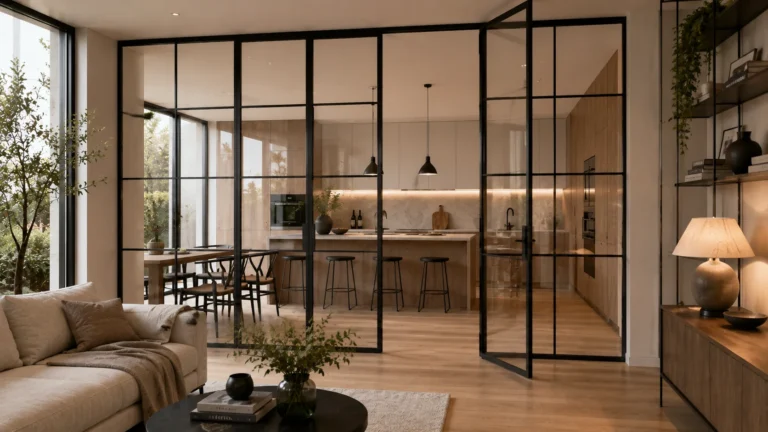
This is why frameless doors are often compared to other bespoke elements in a home, such as custom joinery or architectural glazing, rather than standard internal doors.
In the sections below, we’ll break down exactly what affects the cost, what you can expect at different levels, and how to decide whether frameless doors are the right investment for your project.
What Affects the Cost of Frameless Internal Doors?
The cost of frameless internal doors is shaped by a combination of design choices, technical requirements and the level of finish you’re aiming to achieve. Unlike standard doors, where pricing is largely fixed, frameless systems are influenced by how they are integrated into the space.
Understanding these factors will give you a much clearer idea of what to expect and why costs can vary from one project to another.
Door Size and Configuration
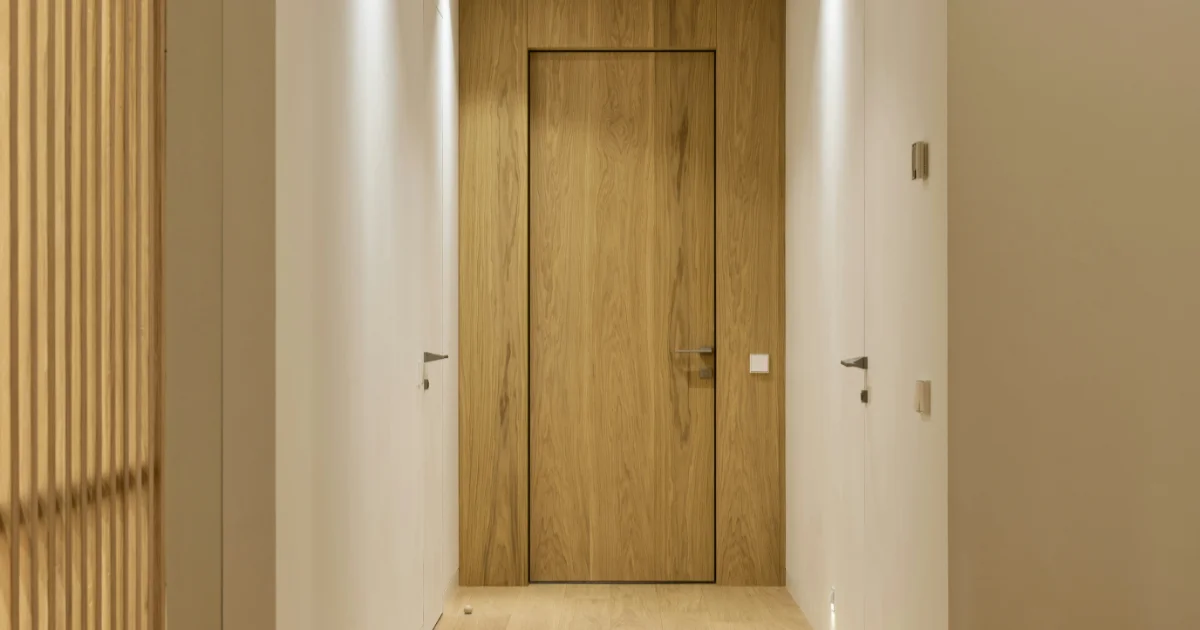
One of the biggest influences on cost is the size of the door. Standard-height doors are generally more straightforward, whereas full-height or floor-to-ceiling doors require more precise manufacturing and installation. Larger doors often involve additional structural considerations and higher material costs, especially when multiple doors or openings are involved.
Type of System
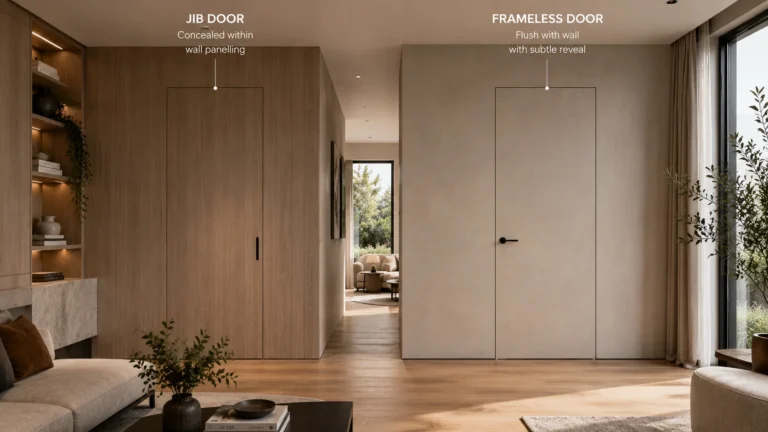
Not all frameless doors are the same. Some projects use simple flush doors, while others incorporate jib doors or fully concealed systems. The more integrated the door is within the wall, the more detailed the specification becomes, which can increase both manufacturing and installation complexity.
Wall Construction and Preparation
Frameless doors rely on the surrounding wall being prepared correctly. In new builds, this can be planned from the outset. In renovations, additional work may be required to adapt existing walls. This preparation stage is often overlooked but plays a key role in achieving a clean, flush finish.
Materials and Finishes
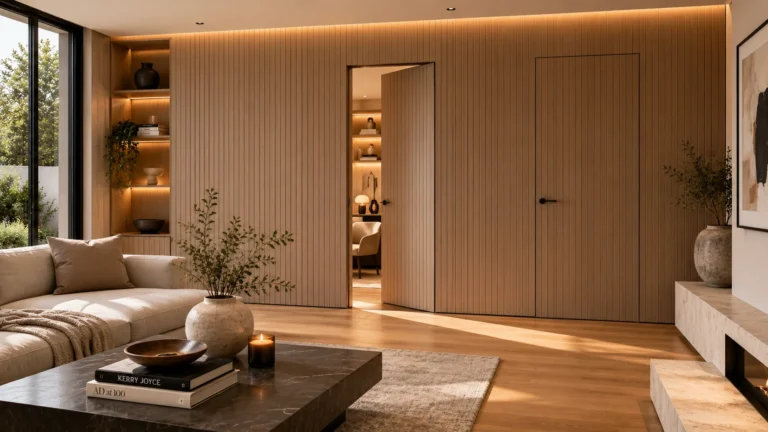
The finish you choose has a noticeable impact on cost. A painted door that blends into the wall is usually more straightforward, while veneered finishes or doors integrated into bespoke joinery and wall panelling involve more detailed craftsmanship. The goal is always the same, to ensure the door feels like part of the overall design rather than a separate element.
Hardware and Ironmongery
Frameless doors use specialised hardware, including concealed hinges and carefully selected handles. These components are designed to support the clean, minimal look while maintaining smooth operation over time. The quality and specification of this hardware can influence the overall cost.
Installation and Coordination
Installation is a critical part of any frameless door project. Achieving a true flush finish requires precise alignment, careful coordination with other trades and attention to detail throughout. This level of workmanship is what separates a standard installation from a high-end result.
When all of these elements are considered together, it becomes clear why frameless interior doors cost can vary so much. Each project is unique, and the final figure reflects the level of design, precision and integration involved.
Budget Expectations Without Fixed Pricing
When it comes to frameless interior doors cost, most people are looking for a clear number. In reality, the most accurate answer is that it depends on the level of detail and integration required. Frameless doors sit within the world of bespoke interior elements, so pricing is shaped by design rather than standardisation.
Instead of thinking in terms of fixed prices, it’s more useful to understand how projects typically sit within a broader range of investment levels.
At the entry level, a simpler frameless door with a painted finish and standard proportions will involve less complexity. These projects still require careful installation and coordination, but they are more straightforward in terms of specification.
Most projects sit somewhere in the middle. This might include full-height doors, higher quality finishes, or integration with surrounding details such as skirting, shadow gaps or adjacent joinery. At this level, the focus shifts from simply installing a door to creating a more refined, cohesive result.
At the higher end, frameless doors are often part of a wider architectural scheme. This could involve multiple doors, bespoke finishes, or integration into wall panelling and joinery. These projects demand a higher level of coordination, design input and craftsmanship, which is reflected in the overall investment.
It’s important to recognise that frameless interior wood doors are not directly comparable to standard internal doors. They are closer in nature to other bespoke elements within a home, where the value comes from the way everything is designed to work together.
Rather than asking for a single price, the better question is what level of finish and integration you want to achieve. That is what ultimately determines where your project will sit.
Bespoke vs Off-the-Shelf Frameless Doors
When researching the cost of frameless internal doors, it’s common to come across lower-priced options that appear to offer a similar look. These are often off-the-shelf systems designed to fit standard openings with minimal customisation. While they can work in certain situations, they are not the same as a fully bespoke solution.
The difference comes down to how the door is integrated into the space. A bespoke frameless door is designed around your walls, your layout and your finish. An off-the-shelf option is designed to fit within predefined limits.
| Bespoke Frameless Doors | Off-the-Shelf Systems |
|---|---|
| Made to measure for your exact opening | Limited to standard sizes and configurations |
| Fully integrated with wall construction | Often surface-fitted or adapted to suit |
| Wide choice of finishes and materials | Restricted finish options |
| Designed for a seamless, architectural result | May leave visible joints or compromises |
| Higher upfront investment | Lower initial cost |
For many homeowners, the decision comes down to priorities. If the goal is simply to install a door, an off-the-shelf option may be suitable. If the goal is to achieve a truly clean, integrated finish that works as part of the overall design, a bespoke approach is usually the better choice.
This is particularly important when working with jib doors or doors that need to blend into surrounding finishes such as bespoke joinery and wall panelling. In these cases, small differences in detail can have a big impact on the final result.
While off-the-shelf systems can appear more affordable at first, they often involve compromises that become more noticeable over time. A bespoke frameless door is designed to avoid those compromises from the outset.
When Are Frameless Doors Worth the Investment?
Frameless doors are not the right choice for every project, and that’s exactly why they work so well in the right ones. If your priority is a simple, functional door, there are more cost-effective options available. However, if you’re aiming for a more refined, design-led interior, the value of a frameless system becomes much clearer.
They are most often specified in projects where detail matters and where the door is expected to contribute to the overall look and feel of the space, rather than simply serve a practical purpose.
Frameless doors tend to be worth the investment when:
- You want a clean, minimalist finish
Flush detailing removes visual clutter and helps create a calmer, more cohesive interior. - The design includes bespoke elements
If your project already involves features such as wall panelling or custom joinery, frameless doors allow everything to work together seamlessly. - You are working with an architect or designer
Frameless systems are often specified as part of a wider architectural approach, where alignment, proportion and detail are carefully considered. - You want doors to feel integrated, not added
In spaces such as bedrooms, hallways or home offices, a frameless door can blend into the wall and reduce visual interruption. - The project is long-term focused
For homeowners planning to stay in their property, investing in a higher level of finish can make a noticeable difference to how the space feels over time.
In these situations, frameless doors are not just a design feature. They become part of how the space is experienced on a day-to-day basis.
Ultimately, the decision comes down to priorities. If you’re focused purely on cost, standard doors may be the better fit. If you’re focused on achieving a seamless, high-end result, a frameless solution is often worth considering.
Common Mistakes That Affect Cost
One of the biggest reasons frameless interior doors cost can increase unexpectedly is not the product itself, but how it is planned and integrated into the project. Frameless systems rely on precision, and small oversights early on can lead to additional work later.
Understanding the most common mistakes can help you avoid unnecessary costs and achieve a better overall result.
Some of the key issues we regularly see include:
- Introducing frameless doors too late in the project
These systems work best when planned from the outset. Retrofitting them into completed walls often requires additional alterations, which can increase both time and cost. - Not preparing the wall correctly
Frameless doors depend on accurate wall construction. If the surrounding structure is not set out properly, it becomes much harder to achieve a clean, flush finish. - Comparing them directly to standard doors
Frameless doors are part of a wider system that includes concealed frames, specialist hardware and detailed installation. Comparing them purely on door price alone can be misleading. - Choosing the wrong type of system
Not all frameless solutions are the same. Selecting a system that doesn’t suit the wall type or design intent can lead to compromises in both appearance and performance. - Overlooking coordination with other finishes
Details such as skirting, shadow gaps and wall panelling need to be considered alongside the door. Without this coordination, the final result can feel disjointed.
A well-planned frameless door should feel effortless once installed. Achieving that level of simplicity requires careful thinking behind the scenes, which is why early design input and coordination are so important.
How to Get an Accurate Quote
If you’re trying to understand the cost of internal frameless doors, the most reliable way to get an accurate figure is to look at your project as a whole rather than the door in isolation. Because these systems are bespoke, the detail matters, and that detail is what shapes the final cost.
While rough estimates can be helpful at an early stage, a proper quote is usually based on a combination of drawings, site conditions and the level of finish you want to achieve.
To move from a general idea to a clear, accurate quote, it helps to have:
- Basic dimensions or plans
Even simple drawings or measurements give a starting point for understanding scale and configuration. - An idea of the finish
Whether you’re considering a painted door, a veneered finish or integration with bespoke joinery, this will influence both design and cost. - Information about the space
Knowing whether the project is a new build or a renovation helps identify any preparation work that may be required. - Your wider design goals
Understanding how the doors fit into the overall scheme allows for a more considered and accurate specification.
In most cases, the next step is a site survey. This allows for precise measurements, a clear understanding of the wall construction and the opportunity to refine the details before moving forward.
If you’re at the early stages, starting a conversation is often the simplest way to get clarity. From there, the process can move towards drawings, specification and a more defined quotation that reflects exactly what you’re trying to achieve.
Ready to Plan Your Frameless Door Project?
If you’re exploring frameless interior doors cost, the next step is understanding what’s possible within your space.
Every project is different, and the best results come from considering the doors as part of the wider design rather than in isolation.
At The Frameless Door Company, we work across high-end residential projects, providing a fully coordinated service from initial consultation through to survey, CAD drawings and installation. This ensures your doors are not only functional, but properly integrated into the architecture of your home.
Whether you’re at the early planning stage or ready to move forward, we can help you refine your ideas and provide a clear, tailored quote based on your specific requirements.
Frameless Interior Doors Cost FAQS
Are frameless internal doors more expensive than standard doors?
Yes, frameless internal doors are typically more expensive than standard doors because they involve concealed frames, precise installation and a higher level of finish. They are designed as part of the overall architecture rather than as a standalone product.
What affects the cost of frameless interior doors the most?
The main factors include door size, wall construction, type of system, materials and finishes, and installation complexity. Full-height doors and integrated designs usually require more detailed work, which increases cost.
Can frameless doors be installed in existing walls?
Yes, but it depends on the structure of the wall and the level of finish required. Retrofitting frameless doors can involve additional preparation work, so it is often more straightforward when planned early in a project.
Do frameless doors add value to a home?
They can add value in terms of design quality and overall feel. Frameless doors create a cleaner, more refined interior, which is particularly appealing in high-end homes and design-led renovations.
Are frameless doors suitable for all rooms?
Frameless doors can be used in most areas of the home, including bedrooms, hallways, home offices and living spaces. They are especially effective where a seamless or minimalist finish is desired.
What is the difference between a frameless door and a jib door?
A frameless door refers to the clean, flush appearance with minimal visible framing. A jib door is designed to blend into the wall, often using a concealed frame, making it less noticeable. Many projects combine both approaches.
Is there a standard price for frameless internal doors?
No, there is no fixed price because each project is different. Costs vary depending on design, specification and installation requirements, which is why most projects are quoted individually.
Do frameless doors require special maintenance?
No, they generally require no more maintenance than a standard door. Keeping hinges and hardware in good condition and maintaining the chosen finish is usually all that’s needed.
Do frameless internal doors need to meet building regulations?
Yes, in certain situations, frameless internal doors must meet UK building regulations, particularly around fire safety, accessibility and structural openings. Requirements can vary depending on the type of property and where the door is being installed, so it’s important to review official guidance or speak with a professional before proceeding. You can find more information on the UK Government building regulations approval guidance