Modern frameless interior doors have become a defining feature of minimalist homes.
With clean lines, flush detailing and carefully considered finishes, they allow spaces to feel calmer, more open and more refined. Instead of drawing attention to the door itself, they allow the wider design of the room to take centre stage.
For homeowners and designers alike, the appeal is simple. Less visual clutter, better flow between spaces and a more considered architectural finish.
Whether used throughout a property or in key areas such as bedrooms, hallways or home offices, frameless doors help create a consistent and intentional interior.
Why Frameless Doors Work So Well in Minimalist Interiors
Minimalist design is not about removing detail. It is about refining it. Every line, surface and material has to feel deliberate. This is where frameless interior doors make such a difference.
Traditional doors often introduce visible frames, architraves and breaks in the wall. Frameless doors remove those interruptions.
The result is a cleaner visual language, where walls feel uninterrupted and spaces flow more naturally from one room to the next.
- Walls appear more continuous and less cluttered
- Door openings feel integrated into the architecture
- Rooms benefit from a calmer, more balanced aesthetic
- Design schemes feel more cohesive across the entire home
This is particularly effective in open-plan layouts and modern renovations, where continuity is key to achieving a high-end finish.
What Does Flush Detailing Actually Mean?
One of the defining characteristics of modern frameless doors is flush detailing.
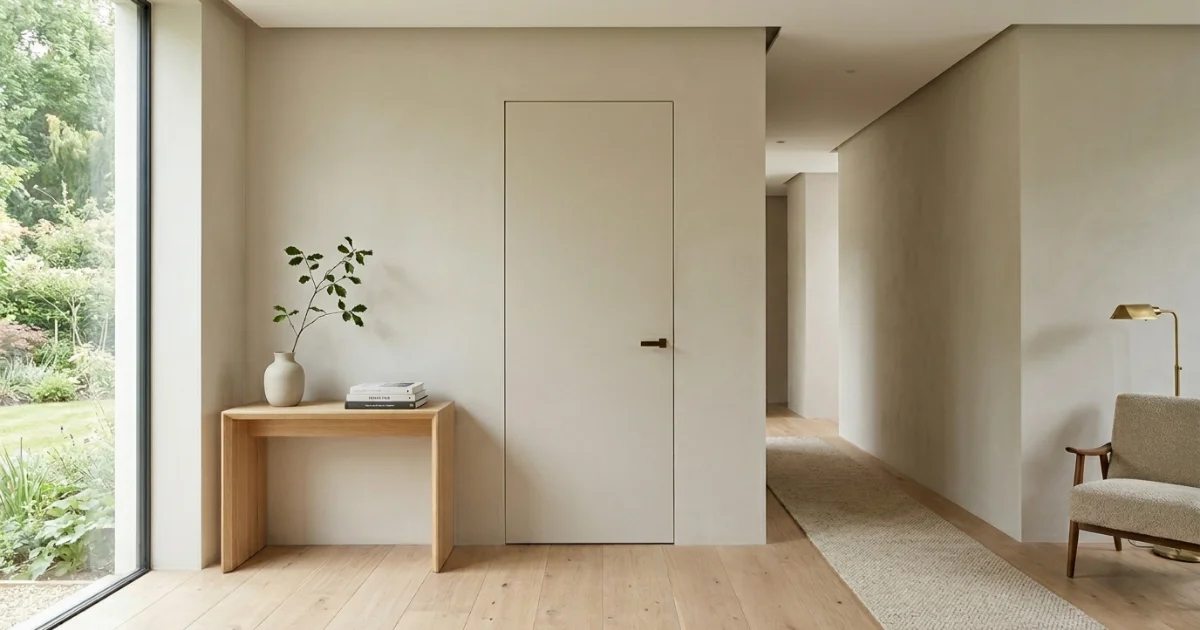
This means the door sits level with the wall surface, rather than recessed or framed by visible trim.
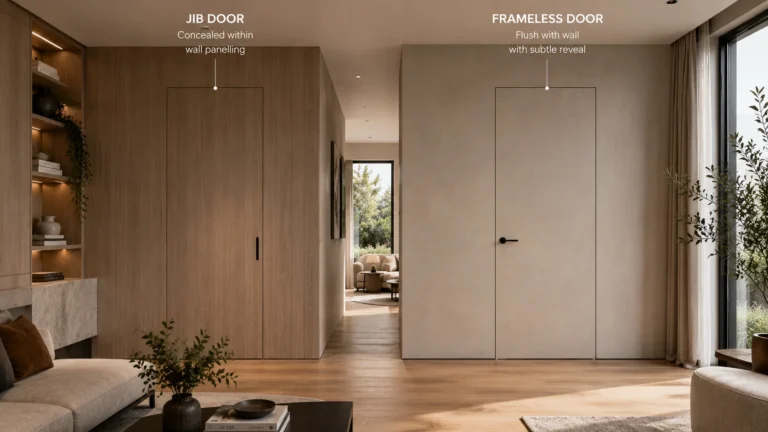
The frame itself is concealed within the wall, creating a seamless transition between door and wall. When closed, the door becomes part of the surface, rather than a separate element.
This is closely linked to the concept of a concealed door frame, which you can explore in more detail in our guide to concealed door frames.
Flush detailing is often combined with:
- Shadow gaps instead of traditional skirting
- Full-height doors for a more architectural look
- Wall finishes that continue across the door surface
The result is subtle but powerful. The door disappears into the design, allowing the space itself to feel more refined.
Choosing the Right Materials and Finishes
Material choice plays a huge role in how frameless doors perform visually. While the structure remains minimal, the finish can either blend seamlessly into the wall or act as a quiet feature within the room.
Popular options include:
Painted Finishes
A painted door that matches the wall colour is one of the most effective ways to achieve a fully integrated look. This is often used in minimalist interiors where subtlety is key.
Veneered Finishes
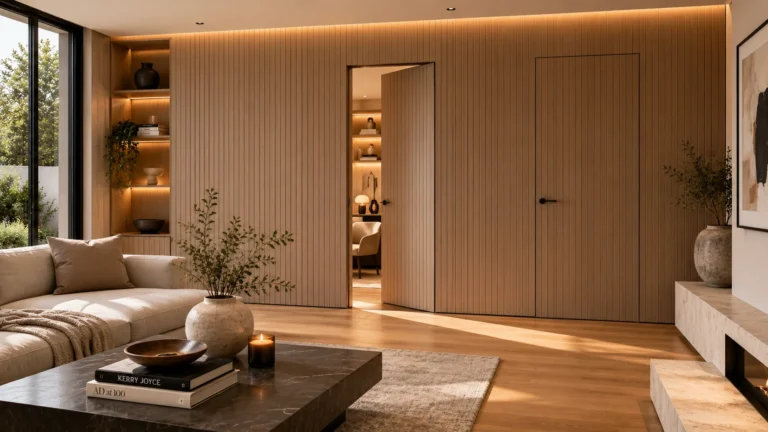
Wood veneers introduce warmth and texture without compromising the clean lines of the design. Ideal for bedrooms, living spaces and joinery-led schemes.
Panelled Integration
Frameless doors can be incorporated into bespoke wall panelling, allowing them to blend into larger design features.
Each finish changes the role of the door slightly. It can either disappear completely or become part of a broader architectural statement.
Where Frameless Doors Work Best
While frameless doors can be used throughout a home, they are particularly effective in spaces where continuity and flow matter most.
- Bedrooms: Create a calm, uncluttered environment
- Hallways: Reduce visual noise in high-traffic areas
- Home offices: Support a clean and focused workspace
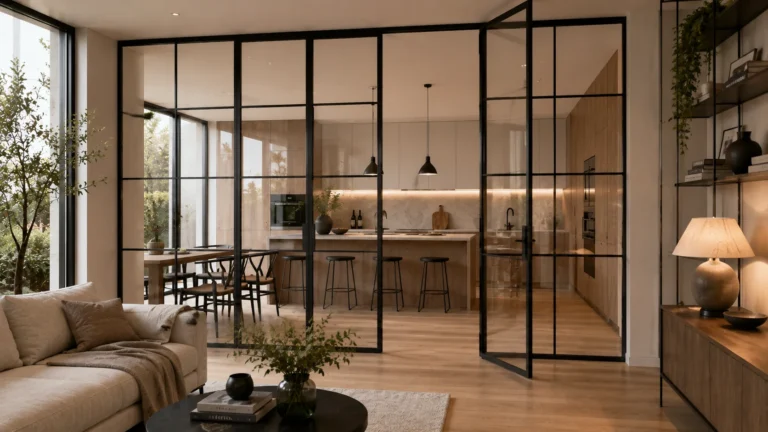
- Open-plan living areas: Maintain flow between zones
- Ensuites and dressing rooms: Allow discreet access
They are also often used alongside jib doors where a more hidden or subtle effect is required.
Minimalism Is About Precision, Not Simplicity
Although frameless doors appear simple, achieving the right result requires careful planning. The alignment, the wall finish, the door thickness and the surrounding details all need to work together.
This is why they are typically specified as part of a wider design approach, rather than added later in a project. When done well, they do not stand out. Instead, they elevate everything around them.
For guidance on broader design principles, you can explore the RIBA insights on minimalist architecture.
Final Thoughts
Modern frameless interior doors offer more than just a clean look. They help define how a space feels, how it flows and how different elements come together. For minimalist homes, they are often the detail that makes everything feel complete.
If you are planning a project and want to explore your options, take a look at our frameless door solutions or get in touch to discuss how they can be integrated into your design.